How regional cuisine is boosting tourism in India
Flavours of the land: How regional cuisine is shaping experiential tourism in India
- By Gurmehar --
- Friday, 25 Jul, 2025
Travel in India is no longer just about visiting famous landmarks or taking pictures. For many people, it’s about discovering the culture of a place, and nothing reflects that culture better than its food. More and more, regional cuisine is shaping how tourists explore the country. From tribal recipes cooked in the forest to royal meals served in old palaces, local food is now at the heart of what many call “experiential tourism.”
In simple terms, experiential tourism means going beyond sightseeing to truly experience a place through its traditions, people, and flavors. And food—real, local food—is a powerful way to do that. Eating a freshly made dish that’s been passed down through generations tells you more about a place than a brochure ever could.
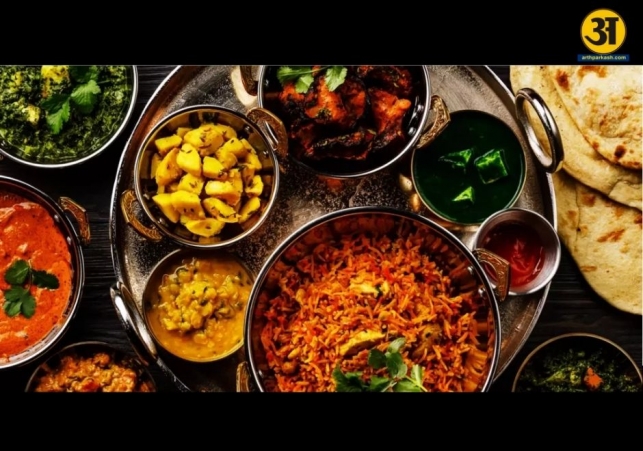
Take, for example, Jungle Camps India in Central India. Here, tourists don’t just eat—they take part in cooking and learn about the ingredients found in the local forests. “Guests enjoy forest barbecues and traditional jungle-style cooking,” says Gajendra Singh Rathore, who runs Jungle Camps India. Meals are prepared over open fires, using fresh local produce and wild herbs. Their ‘Tribal Thali’ includes seasonal greens, millets, and lentils—simple yet deeply connected to the land.
This isn’t just about filling your stomach. It’s about understanding how tribal communities cook, live, and treat nature with respect. These meals tell a story—a story about sustainability, history, and the deep bond between people and the forest. That’s what makes this kind of tourism so powerful: it helps travelers feel something real.
From forest thalis to royal feasts: every meal has meaning
Now, let’s head to Rajasthan, a state known for its forts and palaces. But anyone who has been there will tell you—what really stays in your memory is the food. Think spicy Laal Maas, hearty Daal-Baati-Churma, or the tangy Ker-Sangri made from desert beans. These dishes carry the taste of the land—rich, bold, and full of tradition.
According to Dalip Singh Rathore from the Rajasthan tourism department, food plays a big role in attracting visitors. “Our culture is not only seen in monuments, it’s tasted in our food,” he says. Whether you’re dining in a five-star heritage hotel or eating at a roadside stall, the flavors are unforgettable. Even sweets like Ghevar and Malpua have long histories, often connected to festivals and local customs.
What makes Rajasthan’s food scene even more special is how widely it is spread. You can find authentic meals not just in fancy restaurants, but also in small homes, local markets, and tiny dhabas. In many ways, every bite offers a piece of the state’s past and present.
ALSO READ: Is voter roll cleanup fair or targeting eastern Bihar?
ALSO READ: Stuck in a thought spiral? Here’s how you can break free from the loop
Tourists love this kind of honesty. They don’t just want perfect service—they want soul. They want to know where the ingredients come from, who is cooking their meal, and why a particular dish matters in that region. And Rajasthan delivers that at every level.
The big picture: why food-led tourism matters
What connects places like Jungle Camps and Rajasthan is the idea that food is more than fuel—it’s a gateway. It allows people to connect across cultures. When you share a meal that has history and meaning, you begin to understand the people who made it.
India’s tourism industry is picking up on this fast. Instead of offering generic travel packages, many companies are now creating food-focused journeys. These trips give travelers a chance to taste, learn, and feel. From watching rotis being made under a desert sky to foraging wild greens in a forest, these are the experiences that stay in your heart.
Food tourism is also helping local communities. By focusing on regional dishes and cooking styles, it creates jobs and supports small farmers and home chefs. It encourages travelers to spend locally and think more deeply about where their food comes from.
As travelers look for meaningful moments over Instagram likes, food becomes the perfect storyteller. It speaks of land, culture, and memory. And in a diverse country like India, every meal is a new story waiting to be discovered.
So, the next time you plan a trip, maybe skip the typical route. Instead, follow your nose—and your taste buds. You just might find that the real beauty of India isn’t only in its sights, but in its flavours.
Related News